 Bio:
Bio:
This is not “one more newsletter.” The National Center for School Mental Health listserv newsletters include timely information on upcoming conferences, events, and webinars, grants and research opportunities, news reports and resources, policy updates, and issues in the popular media related to school mental health. The newsletter comes out every other month, with occasional bonus announcements … Continue reading NCSMH Newsletter
The Mental Health Technology Transfer Center (MHTTC) Network, in partnership with the National Center for School Mental Health at the University of Maryland School of Medicine, has developed a FREE self-guided online course, video library + resource collection, and a website focused on educator mental health literacy. The 3-part training package, Classroom WISE (Well-Being Information … Continue reading Classroom Well-being Information and Strategies for Educators (WISE)
Free professional development opportunity: how to support students and educators dealing with trauma

Join us and REL Appalachia on August 16-17, 11:00am – 4:00pm EDT. Between the ongoing opioid crisis and all of the ways that the COVID-19 pandemic has impacted students and families, educators’ number one learning need for the 2021-2022 school year is supporting students experiencing trauma
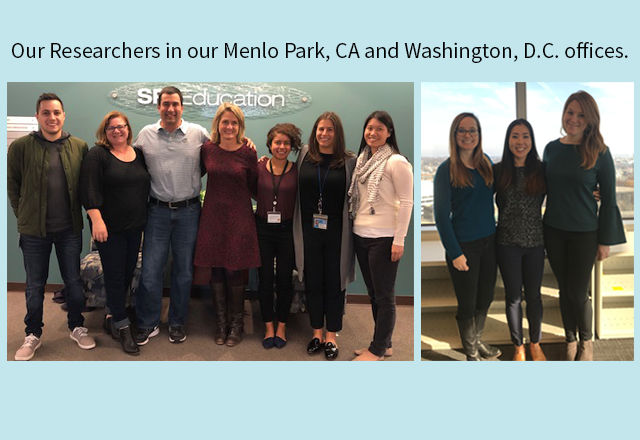
Wondering what kinds of projects we’ve been funded to examine over the years? Check out our Research page!
Join our friends at the National Center for School Mental Health (NCSMH) on Wednesday, June 2nd for a free webinar on supporting students impacted by racial stress and trauma. Don’t miss this timely and important information!

We’ve recently added several timely resources for classroom teachers on having difficult conversations with students around racism and police violence. Check out our Resources page: https://studentbehaviorblog.org/resources/

What strategies can educators use to facilitate safe and meaningful discussions on race, racial (in)justice and racism? This toolkit from Learning for Justice (formerly Teaching Tolerance) offers specific strategies, as well as tips for managing student responses, in order to create a safe environment for difficult conversations. https://www.learningforjustice.org/magazine/spring-2015/toolkit-for-talking-about-racism-and-police-violence-with-students
This article from Learning for Justice (formerly Teaching Tolerance) addresses the burden placed on teachers of color to support students and lead anti-racist efforts. It also offers suggestions for white educators, stories of white educators who are doing the work, and helpful tips (that white teachers and allies may want to print and post for … Continue reading What white colleagues need to understand

This post from the National Center for Safe Supportive Schools introduces the Center for Childhood Resilience (CCR). CCR is partnering with Alliance for Prevention and Inclusion and the National Center for School Mental Health to establish the National Center for Safe Supportive Schools (NCS3). The NCS3 aims to integrate best practices of school mental health, … Continue reading Addressing the trauma of racism
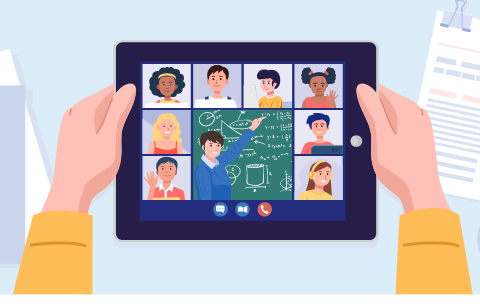
A new infographic from REL Mid-Atlantic and the New Jersey Department of Education can help educators promote and maintain student engagement in remote and hybrid learning environments. The infographic reviews critical factors related to instructional delivery, staffing and professional development, extracurricular activities, technology access and use, family engagement, and social and emotional learning. https://ies.ed.gov/ncee/edlabs/regions/midatlantic/app/Docs/Infographics/REL_MA_NJ_Remote_Learning_infographic_508.pdf