 Bio:
Bio:
Digital media and technology are woven into many parts of students’ lives, both in and out of school. Young people use digital tools to learn, express themselves, seek information, and participate in online communities. As a result, students bring their digital habits and interactions into the classroom every day.
Showing Up with Care: Using a Trauma-Informed Approach to Support Students Through Challenging Times

When the world around us feels unsettled, demonstrating compassion and intentionality in our interactions matters more than ever.
Is seeing believing? Can video coaching help support teacher practice in early childhood classrooms?

Attending a high-quality prekindergarten program has substantial benefits for young children, through long-term positive effects on academic achievement and physical and mental health.
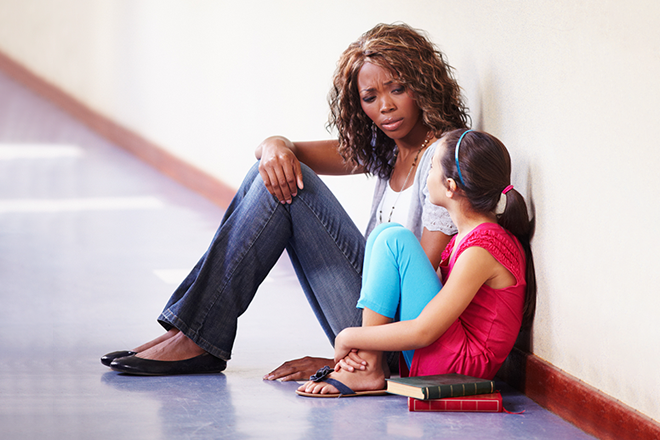
Now more than ever, many children and youth are exposed to potentially traumatic events, whether it be from community or school violence, natural disasters, or the sudden loss of a loved one.
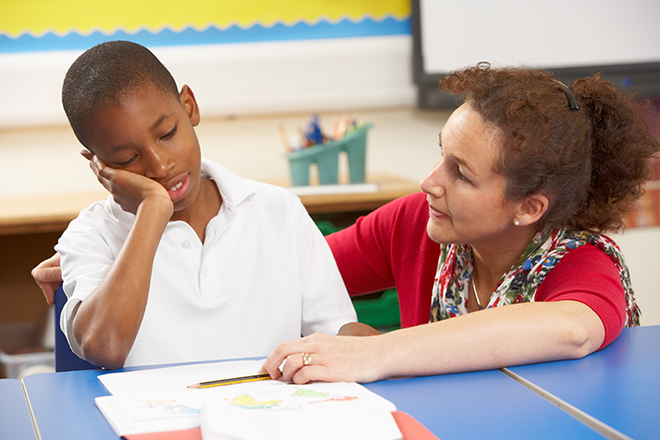
We highlight strategies educators can use to reduce implicit bias when responding to challenging behaviors, which is one of the five key components to reduce disproportionality in school discipline when implementing a PBIS approach.
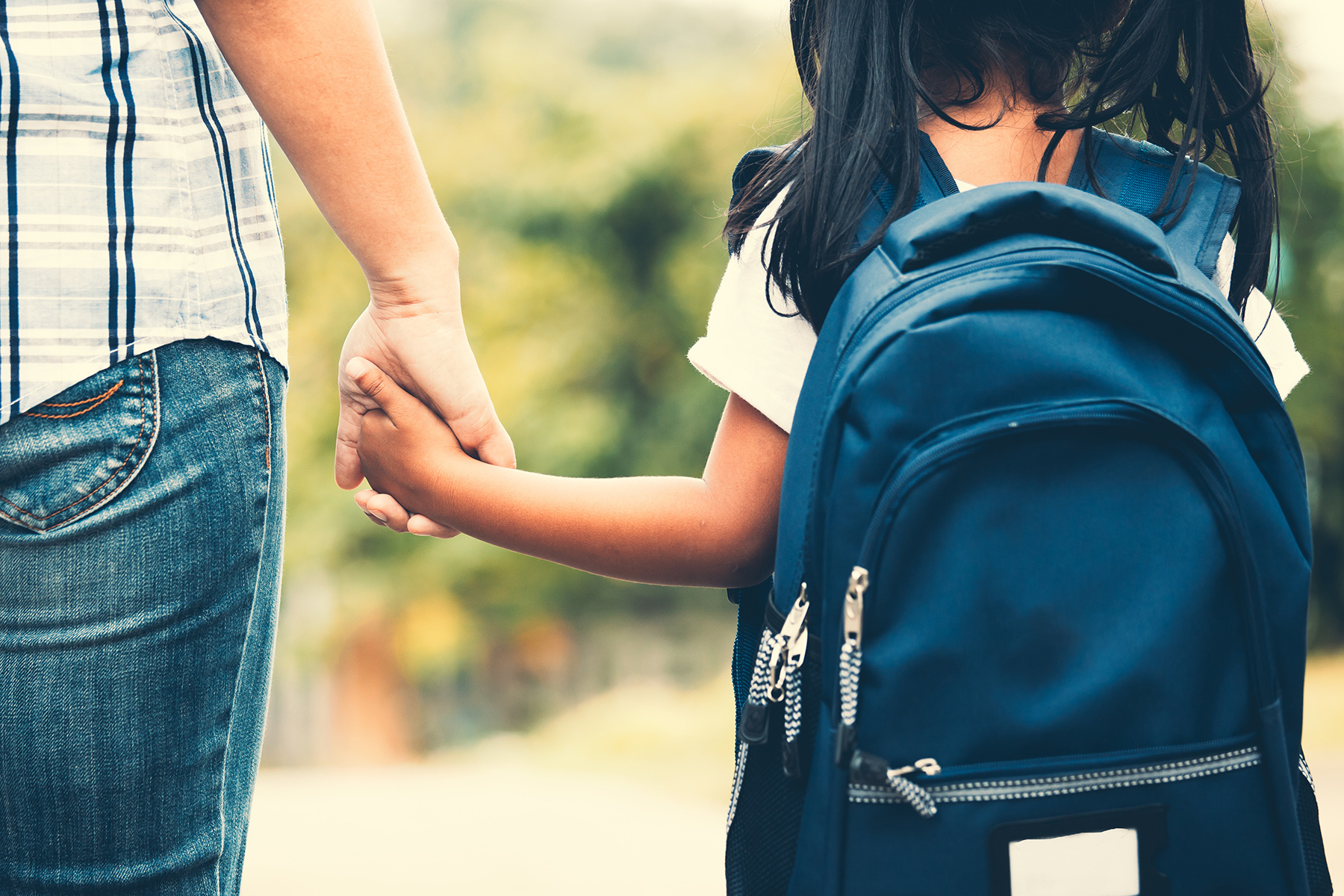
In this second post in this series, we will discuss how to elevate the voices of students and families – one aspect of implementing a positive behavior framework that is preventive, multi-tiered, and culturally responsive.
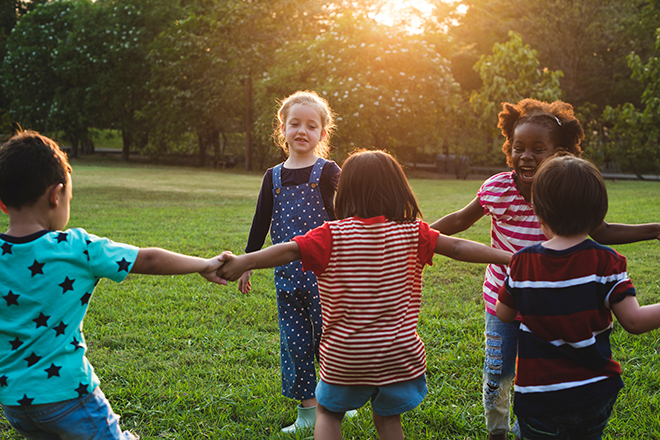
Students who are Black, Latinx, and Native American are more likely than White students to be suspended or expelled – even when comparing consequences for the same infractions.
(NASP 2022) This presentation described results from an effectiveness study of the Tools for (NASP 2022) Getting Along (TFGA) social problem-solving program. Findings show robust positive effects of TFGA on social–emotional and behavioral outcomes of Grade 4 students in geographically and demographically diverse areas.
(SREE 2021) This presentation described results from an effectiveness study of the Tools for Getting Along (TFGA) social problem-solving program. The findings from this effectiveness study indicate that the TFGA program has robust positive impacts across student demographics, geographic locales, and socio-economic levels.
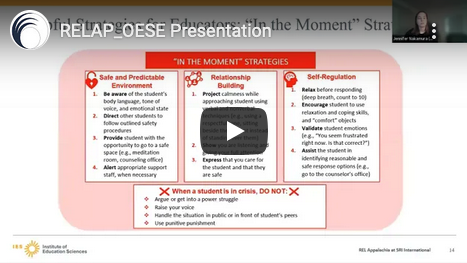
The COVID-19 pandemic has been a stressful and even traumatic time for many students. Educators need to be equipped with tools to identify and support students who have experienced trauma. This video provides an overview of common trauma symptoms that students may exhibit and identifies preventative strategies to support all students and targeted strategies to support students in crisis. It also highlights other resources to support a school-wide trauma-informed approach.