
If you ask education researchers about their biggest challenges, chances are they’ll say something about recruitment. One of the first hurdles in education research is finding schools and teachers to participate.

Priority #2: Provide Training and Wellness Centers. This blog is the second of three blogs summarizing recommendations from students, families, educators, mental health professionals, and administrators for improving students’ mental health services in schools.

Priority #1: Provide More Specialized Mental Health Professionals and Paraprofessionals on Campus. In this blog series, we examine the different priorities that school leaders might address—despite limited resources and reduced federal investments—to respond to the ongoing youth mental health crisis.

Our team works with state and local education agencies to select, implement, and evaluate programs that meet their high priority education needs. Whether you’re a school leader or teacher, an intervention developer, or a funder looking to invest in effective behavior management and socioemotional interventions, you’ll find a variety of benefits of partnering with us.

Implementing evidence-based practices (EBPs) to support students’ positive behavior and positive learning environments requires more than the “train-and-hope strategy.” We have to do more than offer teachers training without additional support to help them implement and sustain those practices.
Is seeing believing? Can video coaching help support teacher practice in early childhood classrooms?

Attending a high-quality prekindergarten program has substantial benefits for young children, through long-term positive effects on academic achievement and physical and mental health.
In this study, we examined the effectiveness of Tools for Getting Along (TFGA) on teachers’ reports of executive functioning (EF), social-emotional, and behavioral skills of elementary school students. TFGA is a classroom-level prevention curriculum that teaches students problem-solving steps to apply in emotionally charged situations.
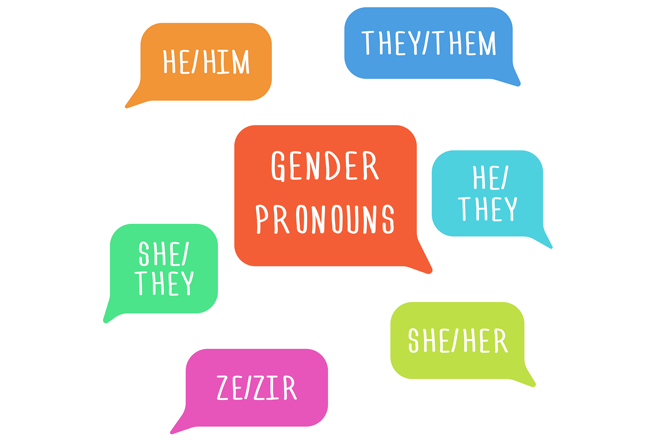
Although pronouns, grammatically, may be small words that make it easier to refer to ourselves and others, they can carry large significance and meaning.

In celebration of LGBTQIA+ History Month (October) and the contributions and achievements of the LGBTQIA+ community, we encourage school communities to create and maintain a culture of safety of expression for all students.

This blog post delves into these four topics and provides ready-to-use training and coaching resources to equip all school staff with the knowledge and evidence-based strategies to support students and staff who have experienced trauma.