Digital media and technology are woven into many parts of students’ lives, both in and out of school. Young people use digital tools to learn, express themselves, seek information, and participate in online communities. As a result, students bring their digital habits and interactions into the classroom every day.
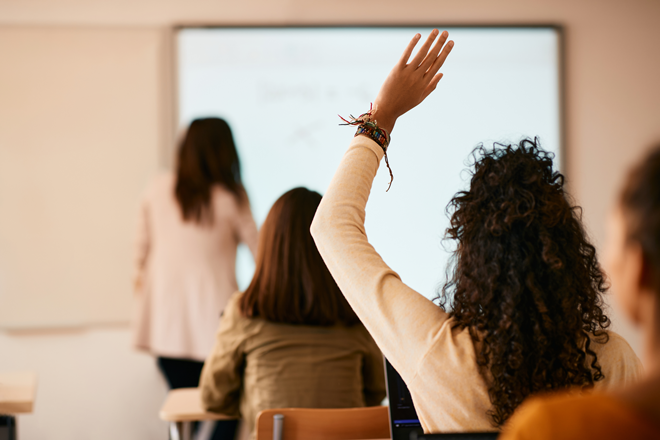
Each new school year brings forward new faces, new lessons, and new opportunities for teachers. One of the most important factors in helping students succeed is the behind-the-scenes work that teachers do to build strong classroom management practices and a positive learning environment.
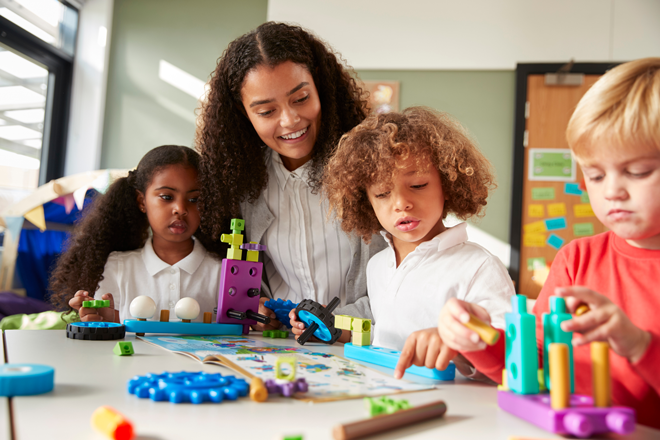
BEST in CLASS (Behavioral, Emotional, and Social Training: Competent Learners Achieving School Success) is a tier 2 (targeted) evidence-based intervention for young children with persistent and intensive challenging behaviors.
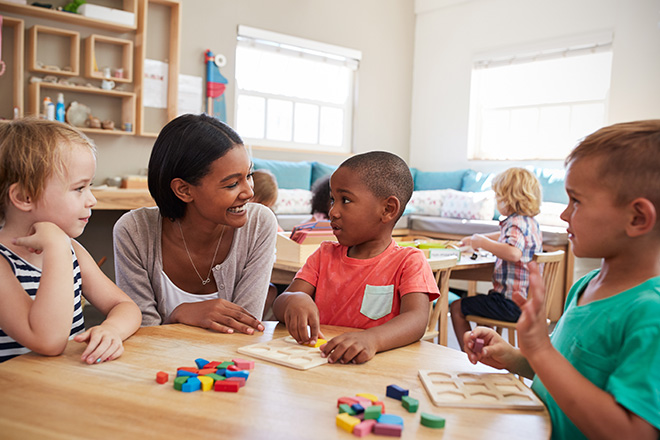
In the latest episode of The SRI Homeroom podcast, Senior Principal Education Researcher Carl Sumi joined host Kori Hamilton Biagas to discuss strategies, interventions, and recommendations for educators, schools, and researchers hoping to meet that need head-on.

Practice-based coaching (PBC) promotes a strong collaborative partnership between teachers and coaches to facilitate the use of effective instructional practices. The PBC process includes skills instruction on BEST in CLASS practices, shared goals and action planning, implementation support, classroom observation, and reflection and feedback.
(NASP 2022) This presentation described results from an effectiveness study of the Tools for (NASP 2022) Getting Along (TFGA) social problem-solving program. Findings show robust positive effects of TFGA on social–emotional and behavioral outcomes of Grade 4 students in geographically and demographically diverse areas.
After a turbulent 2020-2021 school year, it is more important than ever that educators have feasible and effective options to support students’ foundational social-emotional skills. Prior studies have found that students who participate in social-emotional learning (SEL) programs improve their behavioral and academic functioning and reduce their challenging behaviors.1 When selecting an SEL program, educators … Continue reading Social-Emotional Learning Program Study: Tools for Getting Along

What strategies can educators use to facilitate safe and meaningful discussions on race, racial (in)justice and racism? This toolkit from Learning for Justice (formerly Teaching Tolerance) offers specific strategies, as well as tips for managing student responses, in order to create a safe environment for difficult conversations. https://www.learningforjustice.org/magazine/spring-2015/toolkit-for-talking-about-racism-and-police-violence-with-students
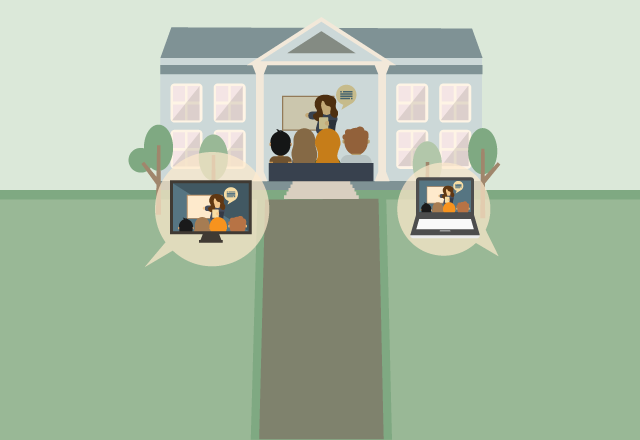
As schools begin a post-pandemic transition, educators should consider how to strengthen the social, emotional, and behavioral supports for students. Three foundational components are important to keep at the forefront of efforts to support students, regardless of the learning environment…
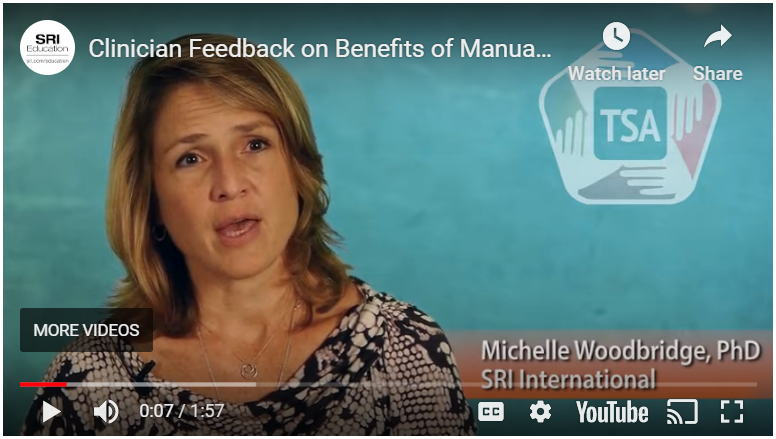
Dr. Michelle Woodbridge (who has been studying prevention and intervention programs related to school-based mental health for more than 25 years) describes school-based clinicians’ perspectives on how using research-supported trauma-informed intervention programs in schools created meaningful, sustainable changes in practice. This video was produced by the 3C Institute. Helpful resources on cognitive behavior interventions can be … Continue reading Clinicians’ perspectives on implementing evidence-based practices